

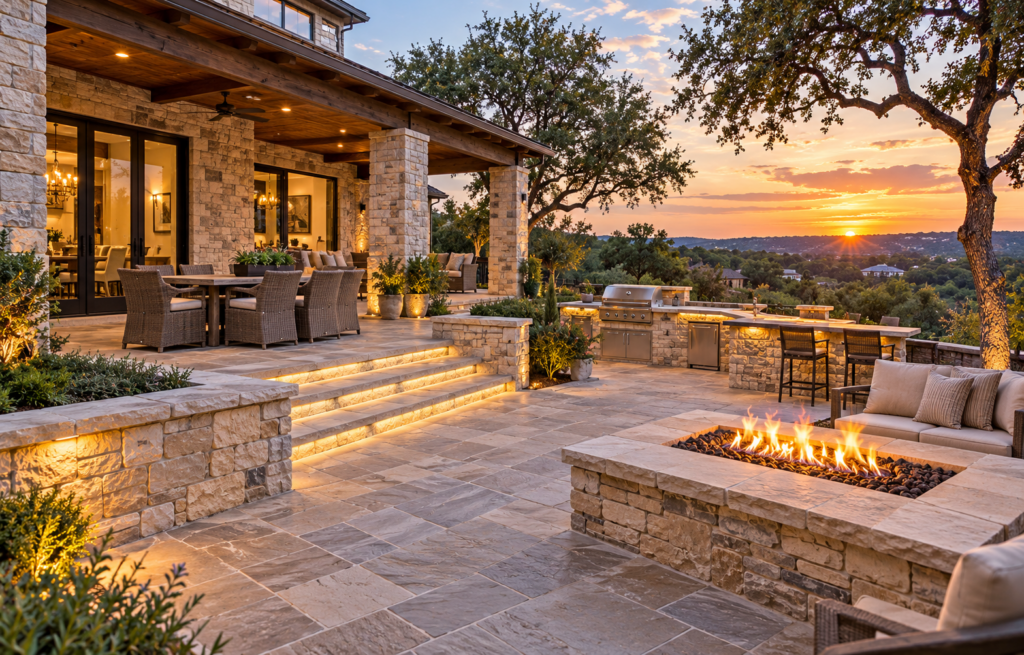
How Can Masonry Projects Improve the Look and Lasting Value of an Austin Home?
A well-planned masonry project can change the way a home looks and feels. A simple stone wall can define an outdoor area. A brick feature can give a home more character. A carefully built patio can make a backyard more useful. Even a small repair can make an older structure look complete again. In Austin, homeowners and builders often want masonry that does more than fill a space. They want work that fits the home, works with the surrounding landscape and holds up over time. That means choosing the right material, planning the layout carefully and paying attention to the small details that are easy to miss. A&J Masonry focuses on custom stonework, outdoor living spaces, masonry repair, retaining walls, outdoor kitchens, fireplaces and interior masonry features. The company also brings more than a decade of experience and three generations of masonry knowledge to its work. What Makes a Masonry Project Stand Out? Good masonry is not simply about placing bricks or stones in a row. The finished work should feel connected to the property. That starts with the design. The material, color, texture, joint style and overall shape all affect how the finished space looks. A wall that feels right for a rustic home may not work as well with a clean, modern design. This is why custom work can be valuable. Instead of choosing a standard layout, the masonry can be planned around the home’s architecture and the way people will use the space. For example, an outdoor area may include a patio, seating wall, fire feature and outdoor kitchen. Each part needs to work with the others. The masonry should look like one complete design rather than several separate additions. Why Material Selection Matters Stone and brick are available in many different sizes, colors and textures. Natural stone can also vary from one piece to another because it comes from natural sources. The Natural Stone Institute notes that not every natural stone is suitable for every exterior environment. Material selection should take local weather conditions into account, and suppliers can help confirm whether a particular stone is appropriate for the intended use. For homeowners, this means the prettiest stone is not always the best choice. A better approach is to consider how the material will perform, how it will age and how it will work with the rest of the property. Stone Masonry Stone can create a strong natural look while giving a project plenty of design flexibility. It can be used for walls, columns, patios, steps, fireplaces and other architectural features. A thoughtful stone wall can become a focal point in a backyard or provide a visual connection between the house and landscape. Brick Masonry Brick offers a different feel. It can create a traditional appearance, but it can also work well in updated and modern designs. Brick is especially useful when a homeowner wants a familiar material that works across different architectural styles. Properly designed and constructed brickwork can also provide long-term durability with relatively low routine maintenance. How Masonry Design Can Improve Outdoor Spaces Outdoor masonry is often most successful when it is planned around how the space will actually be used. A large patio may need clear walking areas, comfortable seating and enough room for outdoor furniture. An outdoor kitchen may need practical work surfaces, access to utilities and a layout that makes cooking easier. Walls can also serve more than one purpose. A low masonry wall may separate spaces, create seating or help frame a patio. A taller feature wall can add privacy or become a visual centerpiece. A&J Masonry’s current work includes patios, fire pits, retaining walls, outdoor kitchens and outdoor fireplaces, showing how masonry can form the structure of an entire outdoor living area. Why Details Matter in Masonry Construction The overall design gets most of the attention, but the small construction details often have a major effect on long-term performance. Water management is one of those details. Masonry walls can be exposed to rain and moisture, and wall systems need to be designed so water can move out instead of becoming trapped inside the assembly. Industry guidance from Masonry Magazine explains that wall systems may use features such as flashing, drainage spaces and weep openings to manage moisture. Poor drainage or blocked pathways can contribute to moisture-related problems. This matters especially around openings, caps, sills and other areas where water can collect. A quality masonry project is therefore about more than the visible surface. The construction behind the surface matters too. What Makes Masonry Restoration Different? New construction and restoration are not the same type of work. With new construction, the masonry can be planned from the beginning. Restoration often means working with materials that are already there. The challenge is to make the new work fit the old work as closely as possible. That may involve matching the size, texture, color and shape of existing stone or brick. A recent A&J Masonry project is a good example. The company worked on approximately 50 square feet of existing dry stack stone after interior walls were removed and exposed an unfinished portion of a stone column. Because the original stone was not readily available as a matching product, the repair required careful selection and custom cutting of replacement stone. This type of restoration requires patience. A repair that looks close from a distance may still stand out when viewed next to original work. When Matching Existing Stone Is the Goal Matching existing stone can be difficult because natural materials change over time and may no longer be sold in exactly the same form. In a careful restoration, the goal is not simply to fill the missing area. The goal is to make the completed work feel like it belonged there from the beginning. That requires attention to: The better these details are matched, the less noticeable the repair becomes. How Dry Stack Construction Creates a Distinct Look Dry stack construction has a very different appearance from traditional mortared masonry.